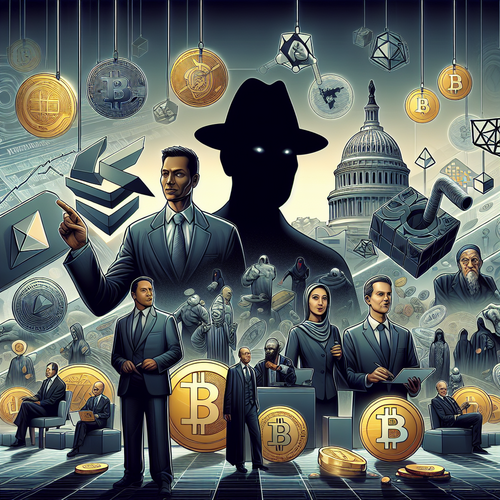
The recent $10 million settlement between the U.S. Securities and Exchange Commission and crypto entrepreneur Justin Sun has certainly sent ripples through the digital asset landscape. What might appear as a straightforward conclusion to a years-long legal battle is, upon closer inspection, a complex tapestry woven with threads of market integrity, regulatory shifts, and undeniable political influence. This resolution is more than just a fine; it’s a revealing moment for how the crypto world intersects with Washington’s power corridors.
Sun, the driving force behind the TRON network, faced serious accusations from the SEC, including allegations of orchestrating manipulative wash trades to inflate asset prices, distributing unregistered crypto tokens, and clandestinely compensating celebrities for promotions without proper disclosure. Despite the gravity of these charges, the settlement agreement reached with one of Sun’s companies notably includes no admission of wrongdoing, a common yet often debated clause in such high-profile cases, leaving many questions about accountability unanswered.
What makes this case particularly compelling are the deeper political undercurrents. Sun is a significant investor in several crypto ventures reportedly tied to the Trump family, including World Liberty Financial and the TRUMP memecoin. Critics have voiced concerns over potential “pay-to-play” scenarios, suggesting that the timing and nature of the SEC’s retreat from aggressive enforcement could be linked to these financial affiliations, raising uncomfortable questions about fairness and impartiality in regulatory oversight.
This settlement does not exist in isolation. It aligns with a discernible shift in the regulatory environment for digital assets since the Trump administration’s return. There’s been a noticeable decrease in the SEC’s enforcement actions against crypto entities, coinciding with a period where the Trump family has reportedly seen substantial wealth growth from new crypto projects. This broader trend signals a potential loosening of regulatory reins, creating a more accommodating, yet potentially less scrutinized, landscape for crypto firms and their political allies.
Ultimately, the resolution of the Justin Sun case invites a critical reflection on the future of crypto regulation. It highlights the inherent tension between fostering innovation and safeguarding investor interests, especially when political dynamics enter the equation. As the digital economy continues to evolve, ensuring transparent, unbiased enforcement will be paramount to building lasting trust and preventing the perception that financial influence can sway the scales of justice in the ever-expanding world of digital finance.